Improving Patient Mobility Through Health Care Transportation Services
Healthcare Transportation: Making Sure Safe Accessibility to Medical Services Medical care transport plays a critical function in making sure that people can access required clinical solutions, appointments, and therapies. As the need for sioux falls health care remains to grow, the value of trusted transportation options for people becomes progressively noticeable. This article discovers the numerous aspects of health care transport, including its relevance, types of solutions used, tests dealt with, and possible remedies to boost patient mobility.
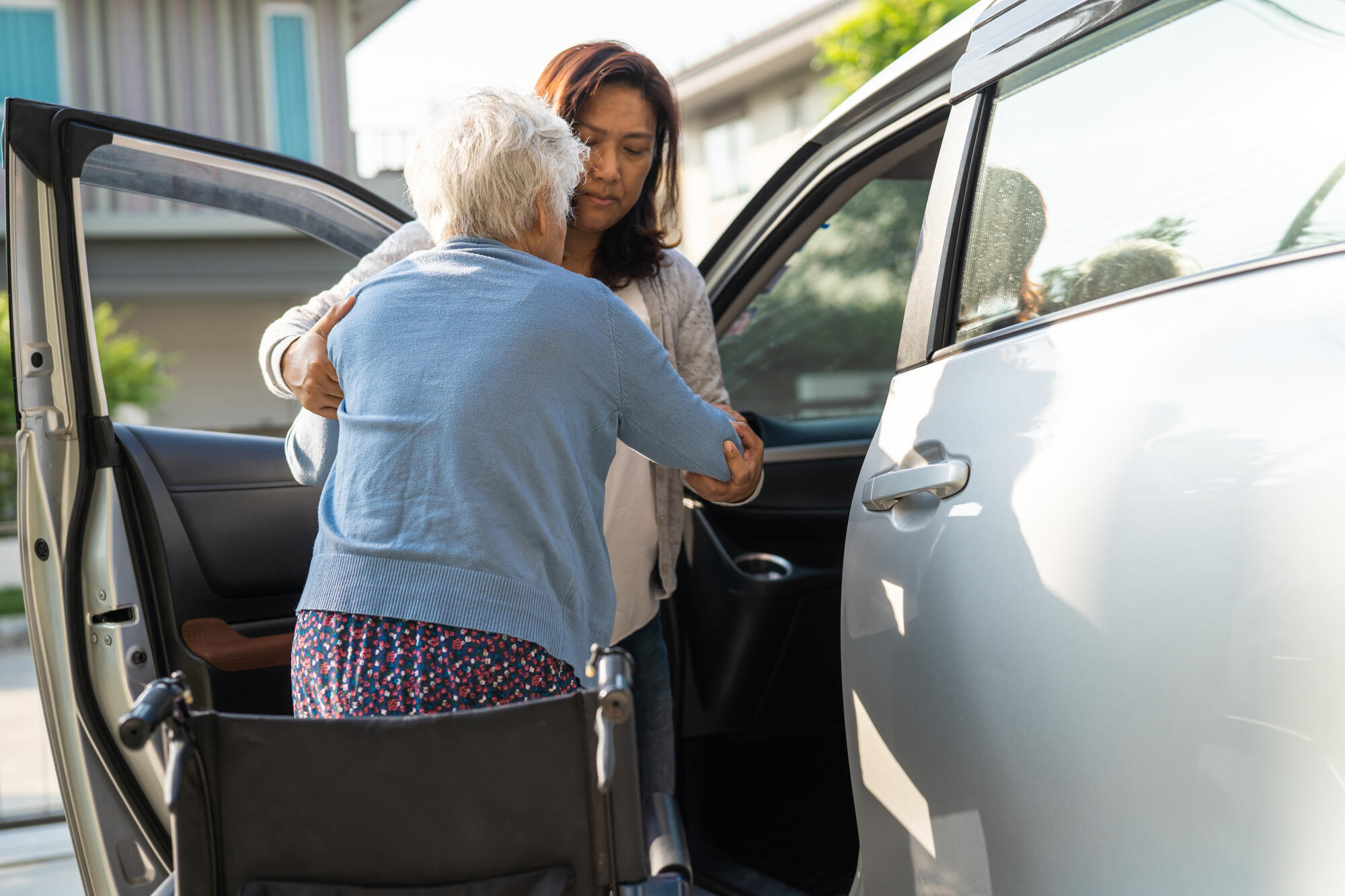
One of the primary factors medical care transport is necessary is that it lowers barriers for individuals that do not have access to personal vehicles or public transport. For lots of people, specifically the senior, impaired, or low-income people, taking a trip to a clinical appointment can be an overwhelming job. Health care transportation solutions supply door-to-door support, assisting these patients reach their locations securely and promptly. This accessibility can dramatically affect patient results, making sure that treatments start on time and that follow-up appointments are not missed out on.
There are several sorts of healthcare transportation services readily available. Non-emergency clinical transportation (NEMT) is one such service created especially for clients calling for help getting to regular clinical visits. These sd top medical transportation solutions normally consist of wheelchair-accessible automobiles and experienced drivers who can assist clients with wheelchair obstacles. Emergency situation medical transportation (EMERGENCY MEDICAL TECHNICIAN), on the other hand, is vital in urgent circumstances where instant care is called for, such as ambulance solutions. Each of these transportation types plays an essential role in the total health care system, attending to various client requirements.
In spite of its importance, medical care transportation deals with a range of obstacles. Minimal sources, funding restraints, and logistical issues can prevent the performance and schedule of these solutions. Furthermore, high need can bring about longer wait times and potential hold-ups for patients, influencing their health care experience. To overcome these difficulties, stakeholders have to team up to boost transport networks, buy technology for more effective organizing, and check out innovative remedies such as ride-sharing partnerships or community transportation efforts.
To conclude, healthcare transportation is an essential component of the medical care system that makes sure all people can access the treatment they require. By attending to the challenges and improving the accessibility and reliability of transport solutions, we can boost client results and overall public health and wellness. As we remain to navigate the intricacies of health care gain access to, it is critical that all clients have the assistance they require to travel to their clinical consultations effortlessly. For more information about this topic, click here: https://en.wikipedia.org/wiki/Patient_transport.